

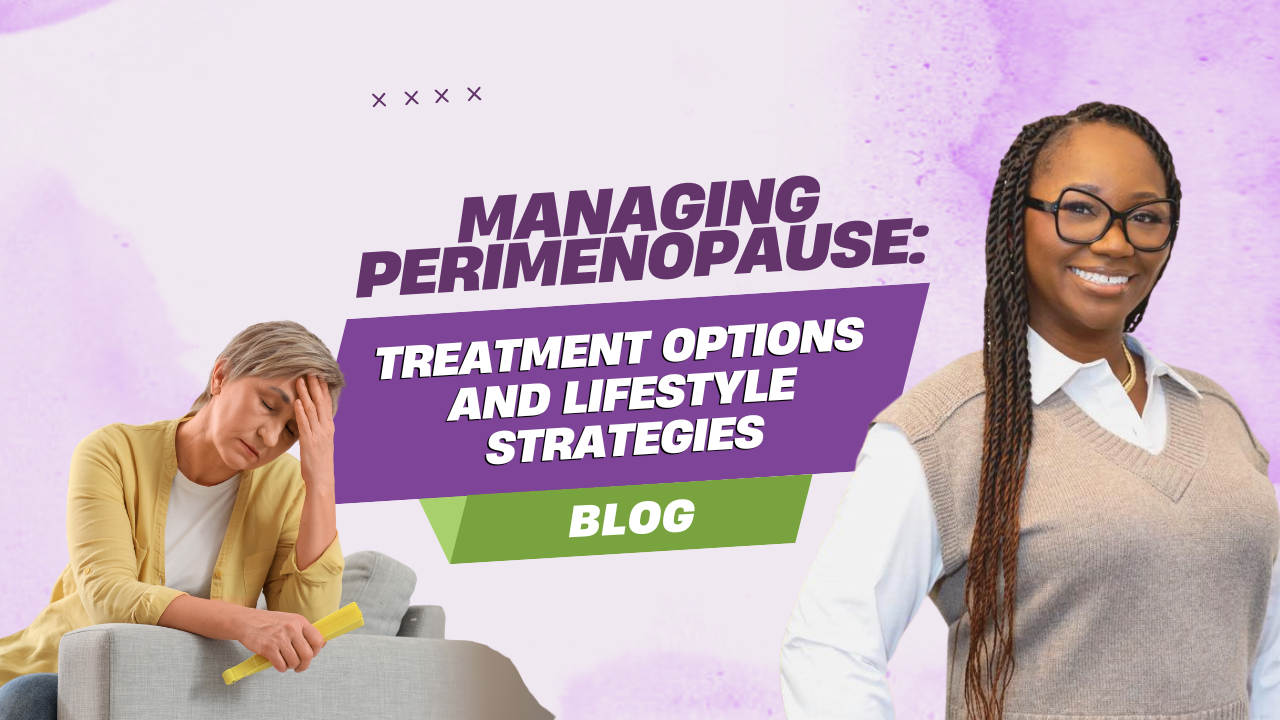
Taking Control of Your Perimenopause Journey
Perimenopause is not a disease. It is a natural hormonal transition that can begin in your late 30s or 40s and continue for several years before menopause officially occurs.
For many women, however, the experience can feel confusing, overwhelming, and sometimes even frightening. Symptoms may affect sleep, mood, energy levels, relationships, work performance, and overall quality of life.
The good news is that perimenopause can be managed effectively with the right combination of medical care, lifestyle adjustments, and preventive health strategies.
Taking control of your perimenopause journey starts with understanding what’s happening in your body and knowing the options available to support your well-being.

Understanding What’s Happening in Your Body
Perimenopause begins when the ovaries gradually produce less estrogen and progesterone.
These hormones do much more than regulate menstrual cycles. They also influence:
- Mood and emotional well-being
- Sleep quality
- Metabolism
- Cognitive function
- Bone health
- Sexual health
- Skin and hair changes
As hormone levels fluctuate, women may experience:
- Irregular periods
- Hot flashes and night sweats
- Mood changes
- Anxiety
- Brain fog
- Vaginal dryness
- Reduced libido
- Weight changes
Understanding that these symptoms are hormonally driven—not simply stress, aging, or a lack of resilience—can help reduce frustration and encourage proactive care.
Medical Management Options
Treatment should always be individualized based on symptom severity, medical history, personal preferences, and long-term health goals.
Common medical options include:
Hormone Therapy (HT)
Hormone therapy can help relieve symptoms such as:
- Hot flashes
- Night sweats
- Sleep disturbances
- Mood changes
- Vaginal dryness
For appropriately selected patients, hormone therapy can be highly effective and may also support bone health.
Low-Dose Hormonal Contraceptives
For women who are still menstruating and require contraception, low-dose hormonal birth control may help regulate cycles and reduce symptom fluctuations.
Non-Hormonal Medications
Certain medications may help manage:
- Hot flashes
- Anxiety
- Mood symptoms
- Sleep disturbances
These may be appropriate for women who cannot or prefer not to use hormone therapy.
Vaginal Estrogen Therapy
For symptoms such as vaginal dryness, discomfort during intercourse, or urinary symptoms, localized estrogen treatments can provide significant relief with minimal systemic absorption.
Any medical treatment should be considered after a thorough consultation and assessment with a qualified healthcare provider.
Track Your Symptoms
One of the most empowering steps you can take is monitoring your symptoms consistently.
Consider tracking:
- Menstrual cycle changes
- Sleep quality
- Mood fluctuations
- Energy levels
- Hot flash frequency
- Lifestyle triggers
Over time, patterns often emerge.
This information can make healthcare appointments more productive and help guide treatment decisions.
Instead of saying, “I just don’t feel like myself,” you can provide specific observations about changes in your health and daily functioning.
Lifestyle Strategies That Make a Difference
Medical treatment is only one part of managing perimenopause. Lifestyle habits can have a significant impact on symptom control and long-term health.
Prioritize Regular Physical Activity
Exercise supports:
- Cardiovascular health
- Mood regulation
- Weight management
- Bone density
- Energy levels
A combination of aerobic activity and strength training is often recommended.
Focus on Strength Training
Declining estrogen levels can contribute to loss of muscle mass and decreased bone density.
Resistance training helps:
- Preserve muscle
- Maintain strength
- Protect bone health
- Improve metabolic function
Support Your Body Through Nutrition
Rather than focusing on restrictive diets, prioritize foods that support hormonal and overall health.
Key nutrients include:
- Protein for muscle maintenance
- Fiber for digestive and metabolic health
- Healthy fats for brain function
- Calcium for bone strength
- Vitamin D for bone and immune health
Improve Sleep Habits
Sleep disturbances are common during perimenopause and can worsen many symptoms.
Helpful strategies include:
- Maintaining a consistent sleep schedule
- Keeping the bedroom cool and dark
- Limiting caffeine, especially later in the day
- Reducing screen exposure before bedtime
Better sleep often leads to improvements in mood, concentration, and energy levels.
Manage Stress Effectively
Chronic stress can amplify hormonal symptoms.
Stress-management techniques may include:
- Mindfulness practices
- Meditation
- Journaling
- Deep breathing exercises
- Counseling or therapy
- Faith-based or spiritual practices
Protect Your Mental and Emotional Health
Perimenopause is not only a physical transition—it can also be an emotional one.
Many women report:
- Increased anxiety
- Reduced confidence
- Emotional sensitivity
- Feelings of uncertainty
- Changes in self-identity
At the same time, this stage often coincides with major life transitions, such as career changes, parenting shifts, or caring for aging family members.
Seeking emotional support is not a sign of weakness. It is an important part of comprehensive health care.
Long-Term Health Considerations
Perimenopause provides an opportunity to focus on preventive health and healthy aging.
Hormonal changes can affect:
Bone Density
Estrogen helps protect bone strength. As levels decline, the risk of osteoporosis increases.
Cardiovascular Health
The risk of heart disease gradually rises after menopause, making blood pressure, cholesterol, and lifestyle factors increasingly important.
Metabolic Function
Changes in body composition, insulin sensitivity, and metabolism can occur during this transition.
Preventive care, regular screenings, and healthy lifestyle habits can help support long-term wellness.
A Time for Growth and Reinvention
Although perimenopause can be challenging, many women discover unexpected strengths during this phase.
It is often a time when women:
- Establish stronger boundaries
- Reevaluate priorities
- Focus on personal growth
- Become more confident and assertive
- Invest more intentionally in their health
You are not fading. You are evolving.
When Should You Seek Medical Attention?
While perimenopause is a normal life stage, certain symptoms should never be ignored.
Consult a healthcare provider if you experience:
- Bleeding between periods
- Periods lasting longer than 10 days
- Very heavy bleeding
- Severe depression
- Significant anxiety or panic attacks
- Debilitating pelvic pain
- Symptoms that interfere with daily life
Not every symptom should automatically be attributed to hormones. A proper evaluation helps ensure that other medical conditions are not overlooked.
Final Thoughts
Taking control of your perimenopause journey means:
- Educating yourself about the changes occurring in your body
- Tracking symptoms and patterns
- Advocating for your health
- Making sustainable lifestyle adjustments
- Seeking professional guidance when needed
Perimenopause is not the end of youth or vitality. It is a transition into a new stage of life—one that can be navigated with knowledge, confidence, and support.
With the right approach, this phase can become an opportunity to prioritize your health, strengthen your well-being, and move forward with greater clarity and purpose.