


Fibroids, also known as uterine fibroids, are non-cancerous growths that develop in or around the uterus. They are one of the most common conditions affecting women, particularly during their reproductive years. In fact, studies suggest that up to 70% of women may develop fibroids by the age of 50. Despite their prevalence, many women remain unaware they have fibroids until they experience noticeable symptoms.
What Are Fibroids?
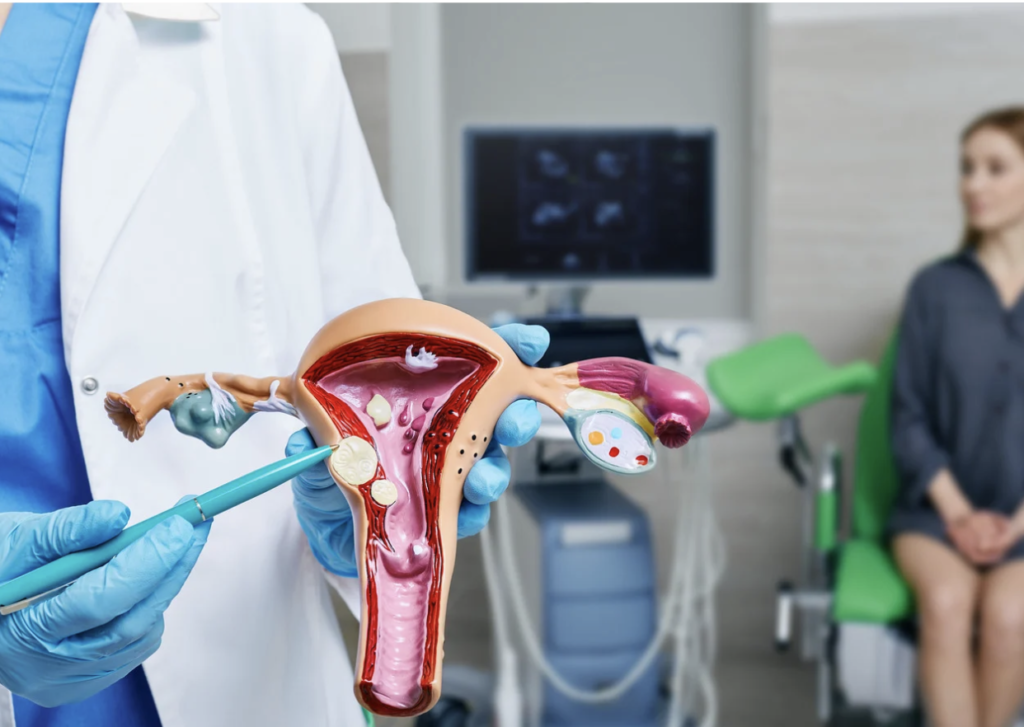
Fibroids are benign tumors made up of muscle and fibrous tissue. They can vary widely in size—from tiny nodules the size of a pea to large masses that can enlarge the uterus and cause visible abdominal swelling. Fibroids can develop in different parts of the uterus:
- Intramural:Â Within the muscular wall of the uterus (most common type)
- Submucosal:Â Just under the uterine lining, often affecting menstrual flow and fertility
- Subserosal:Â On the outer surface of the uterus, sometimes forming a stalk-like growth
Causes of Fibroids
The exact cause of fibroids is not fully understood, but several factors contribute to their development:
- Hormones:Â Estrogen and progesterone stimulate fibroid growth. This is why fibroids are most common during the reproductive years and tend to shrink after menopause.
- Genetics:Â A family history of fibroids increases your risk.
- Other Factors:Â Obesity, high blood pressure, and certain lifestyle factors may also influence fibroid growth.
Symptoms of Fibroids
Many women with fibroids experience no symptoms at all. When symptoms do occur, they may include:
- Heavy or prolonged menstrual bleeding
- Pelvic pain or pressure
- Frequent urination
- Constipation
- Pain during intercourse
- Fertility challenges
The size, number, and location of fibroids largely determine whether symptoms appear. Even small fibroids can cause discomfort if located in sensitive areas.
Impact on Women’s Health
While fibroids are not cancerous, ignoring them can lead to complications. For example:
- Anemia:Â Heavy bleeding can cause iron deficiency anemia.
- Fertility Issues:Â Submucosal fibroids can interfere with implantation and pregnancy.
- Chronic Pain:Â Large or multiple fibroids can create ongoing pelvic pressure or discomfort.
Understanding fibroids in women is crucial for early detection and effective management. Regular gynecological check-ups, imaging studies like ultrasounds, and symptom monitoring help women make informed choices about their reproductive health.
Treatment Options
Management of fibroids depends on symptoms, size, and reproductive goals:
- Lifestyle & Monitoring:Â Small, asymptomatic fibroids may only need routine monitoring.
- Medications:Â Hormonal therapies can reduce bleeding and control growth.
- Minimally Invasive Procedures:Â Options like uterine artery embolization or myomectomy can remove or shrink fibroids while preserving fertility.
- Surgery:Â In severe cases, hysterectomy may be considered.
Early awareness allows women to empower themselves with the right information about fibroids, make proactive health decisions, and reduce the risk of complications.
Learn more about uterine fibroids and how they affect women’s reproductive health. Take charge of your fertility and well-being today!