

Many women in their 40s and 50s are surprised when they begin experiencing unusual heart sensations. It may feel like your heart is racing, fluttering, pounding, skipping beats, or beating irregularly—even at rest.
For some women, it happens at night. For others, it appears during hot flashes, stress, or after caffeine. For many, it creates fear and anxiety because they worry something is seriously wrong with their heart.
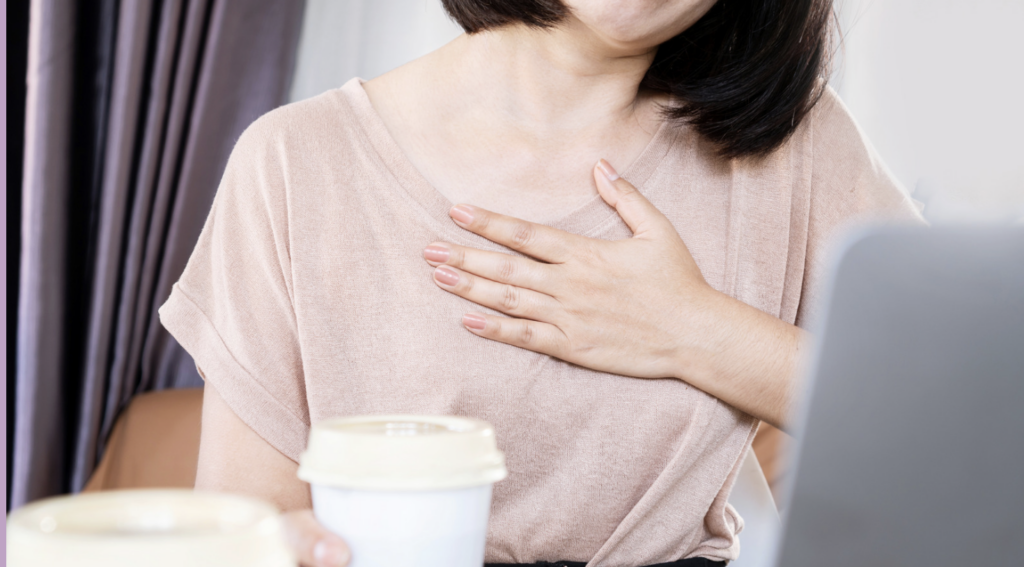
The truth is: heart palpitations are a common symptom during perimenopause and menopause.
Hormonal fluctuations—especially declining estrogen levels—can affect the cardiovascular system, nervous system, circulation, sleep, and stress response.
While menopausal palpitations are often harmless, they should not be ignored completely, as some symptoms may indicate underlying heart or thyroid conditions.
Understanding what is happening inside your body can help reduce fear, improve symptoms, and guide you on when to seek medical care.
What Are Heart Palpitations?
Heart palpitations are sensations where you become suddenly aware of your heartbeat.
You may feel:
• A racing heartbeat
• Fluttering in the chest
• Thumping sensations
• Skipped beats
• Rapid pounding
• Flip-flopping sensations
• Irregular heartbeat
• Strong pulse in the chest or neck
These episodes may last seconds to minutes and can occur at rest, during sleep, stress, exercise, after eating, or during hot flashes.
Some women describe it as:
“My heart suddenly jumps into my throat,” or “It feels like my chest is vibrating.”
Why Menopause Causes Heart Palpitations
1. Declining Estrogen Levels
Estrogen influences blood vessels, heart rhythm, circulation, nervous system balance, and stress hormones. As levels fluctuate, the heart may become more sensitive to adrenaline, leading to palpitations.
2. Increased Adrenaline Sensitivity
During menopause, women may become more sensitive to stress, caffeine, sugar, and alcohol. Even mild stress can trigger noticeable palpitations.
3. Hot Flashes and Night Sweats
Hot flashes can increase heart rate and cause sudden chest pounding, often accompanied by sweating and anxiety, especially at night.
4. Sleep Disturbances
Poor sleep increases cortisol and adrenaline, raising heart rate and worsening palpitations.
5. Anxiety
Hormonal changes can intensify anxiety, leading to panic sensations, chest tightness, racing thoughts, and palpitations. This can sometimes feel like a heart attack.
Who Is More Likely to Experience Palpitations?
You may be at higher risk if you:
• Are in perimenopause
• Experience severe hot flashes
• Consume high caffeine
• Have chronic stress or anxiety
• Smoke or drink alcohol excessively
• Have thyroid disorders
• Have high blood pressure
• Experience poor sleep
When Should You See a Doctor?
Seek medical attention if palpitations occur with:
• Chest pain
• Shortness of breath
• Dizziness or fainting
• Severe fatigue
• Arm or jaw pain
• Prolonged rapid heartbeat
These may indicate heart rhythm disorders, thyroid disease, anemia, or other medical conditions.
Final Thoughts
Heart palpitations during menopause can feel frightening, but they are often related to hormonal and nervous system changes.
The key is not to ignore persistent symptoms. With proper evaluation and management, many women experience significant improvement.
Understanding your body is the first step toward relief.