

Perimenopause is the natural transition phase leading up to menopause. While menopause is defined as 12 consecutive months without a menstrual period, perimenopause can begin several years earlier—often in a woman’s late 30s or 40s.
This stage is characterized by hormonal fluctuations, particularly in estrogen and progesterone, which can affect physical, emotional, and reproductive health.
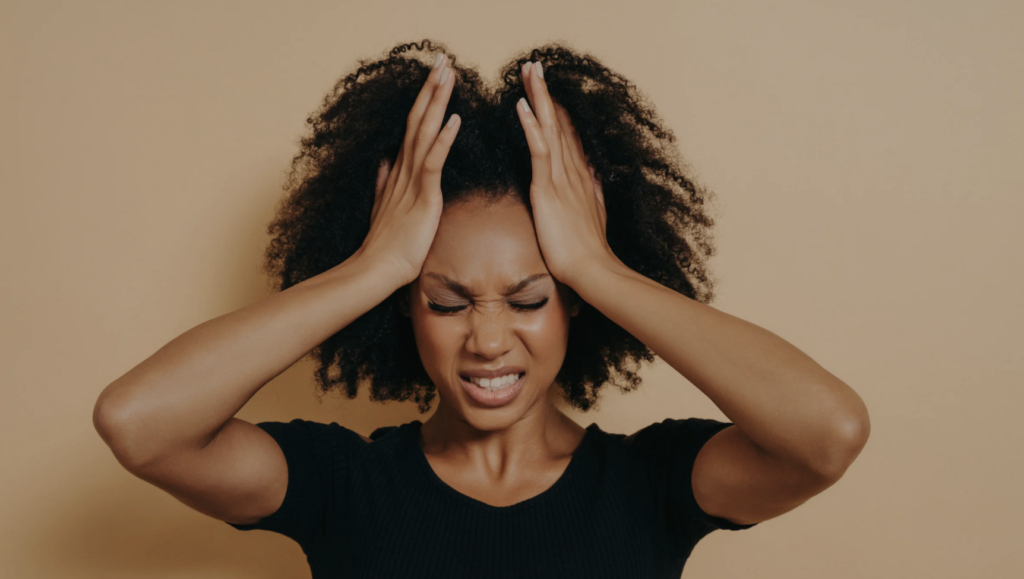
What Happens During Perimenopause?
During perimenopause:
- Ovulation becomes irregular
- Estrogen levels fluctuate unpredictably
- Progesterone levels gradually decline
- Menstrual cycles may change in length and flow
Unlike menopause, pregnancy is still possible during this stage, although fertility gradually decreases.
Early Symptoms of Perimenopause
Common symptoms include:
- Irregular menstrual cycles
- Heavier or lighter periods
- Hot flashes
- Night sweats
- Mood changes
- Anxiety
- Sleep disturbances
- Breast tenderness
- Reduced libido
- Brain fog
Symptoms vary widely. Some women experience mild changes, while others may experience significant disruption.
Why Early Recognition Matters
Many women dismiss these changes as stress, aging, or lifestyle-related fatigue. However, early recognition of perimenopause allows for:
- Timely medical assessment
- Better symptom management
- Protection of bone and cardiovascular health
- Improved overall quality of life
Final Thought
Perimenopause is not a disorder—it is a natural biological transition. With the right support and understanding, this phase can be managed with greater ease and confidence.