

Many women grow up believing that painful or heavy periods are simply part of being female. However, persistent or worsening menstrual symptoms may be your body signaling an underlying condition, such as fibroids.
Fibroids, also known medically as uterine fibroids or leiomyomas, are non-cancerous growths that develop in or around the uterus. They are extremely common, especially among women of reproductive age, and even more so among Black women, who tend to develop fibroids earlier, more frequently, and with more severe symptoms.
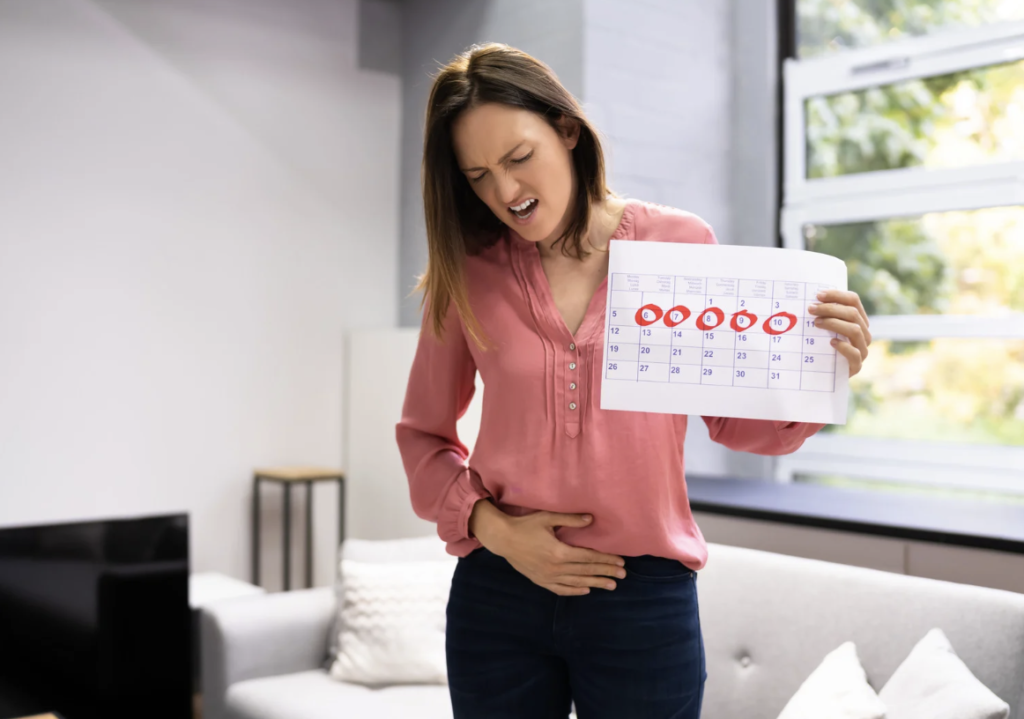
Despite their prevalence, fibroids are often misunderstood or ignored until they interfere with daily life. Understanding fibroids is a powerful first step toward taking control of your reproductive health.
What Exactly Are Fibroids?
Fibroids are made up of muscle and connective tissue, similar to the tissue of the uterus itself. They can be:
- As small as a seed
- As large as a grapefruit (or bigger)
Some women have a single fibroid, while others may have multiple.
Types of Fibroids
- Intramural fibroids – grow within the muscular wall of the uterus (most common)
- Submucosal fibroids – grow just beneath the uterine lining and often cause heavy bleeding
- Subserosal fibroids – grow on the outer surface of the uterus and may press on nearby organs
- Pedunculated fibroids – grow on a stalk inside or outside the uterus
Each type affects the body differently, which is why symptoms vary from one woman to another.
Why Do Fibroids Matter?
Fibroids can affect quality of life, fertility, pregnancy, and overall well-being.
- They Can Disrupt Daily Life
Symptoms may include:
- Heavy or prolonged menstrual bleeding
- Severe menstrual cramps
- Pelvic pain or pressure
- Lower back pain
- Frequent urination or constipation
- Pain during sex
- They Can Impact Fertility and Pregnancy
Certain fibroids, especially those inside the uterine cavity, can:
- Make it harder to get pregnant
- Increase the risk of miscarriage
- Cause pregnancy complications such as preterm labor or breech position
- They Can Lead to Anemia and Fatigue
Heavy bleeding can cause iron-deficiency anemia, leading to:
- Chronic fatigue
- Dizziness
- Shortness of breath
- Weakness
- They Often Go Undiagnosed
Some women have fibroids without symptoms, while others assume pain or heavy bleeding is “normal.” Detection is usually through:
- Pelvic examination
- Ultrasound
- MRI (in complex cases)
What Causes Fibroids?
Fibroids are linked to:
- Hormones (estrogen and progesterone)
- Genetics (family history)
- Lifestyle factors such as diet, obesity, and stress
They often grow during reproductive years and tend to shrink after menopause.
Why Awareness Matters
Understanding fibroids empowers women to:
- Recognize abnormal symptoms early
- Seek timely medical care
- Ask informed questions
- Make choices aligned with fertility and life goals
Talk to a specialist about fibroid care that prioritizes your reproductive health.